How to Shape a Better Future for Your Community
By Flavia Nampala
Imagine missing school every month because you have no safe way to manage your period. Attending school will risk your health and dignity. Staying home will compromise your future.
It’s a difficult choice but this is the reality for many girls in my home region of Busoga, Uganda.

In 2023, I listened as girls from Busoga described what they used during menstruation: scraps of cloth, old sponges, soil wrapped in plastic bags. One girl explained how she missed nearly a week of school each month. Her learning gaps had grown so wide that she lost the desire to stay in school. For many girls leaving school results in early marriage; not because it’s their choice, but it feels like the only option and their learning gaps were too significant to return to school.
I had to respond but I had a dilemma.
As a Rotarian, I had done years of service projects; distributing sanitary pads, teaching hygiene, and building toilets. But I had also seen how unsustainable many projects were. I knew in the back of my mind that we could not afford to keep giving pads every month. I also knew the girls’ struggles would continue.
That school visit forced me to confront the truth: responding to menstruation as a monthly emergency kept girls trapped in the same cycle.
We needed a solution that could last for years, not days. We needed a better plan.
Strategic planning begins with asking what need we feel deeply burdened by and uniquely positioned to meet. It requires understanding the reality communities live with and refusing quick fixes. This is the same kind of framework Dr. Carson Pue and I help other leaders practice through the Strategic Planning course at the Abundant Leadership Institute, starting with real needs, utilizing existing resources, and planning for sustainable impact.
The solution for the girls required understanding of their context: health, water access, culture, education, household economics - avoiding treating these factors in isolation.
Without this kind of planning, well-intentioned solutions can unintentionally cause harm or exclude those who needed it most. Embracing a strategic approach in the community required two things:
I had to admit that many past compassionate interventions were temporary fixes. Reusable cloth pads are one example. Girls needed nearly a 20-litre jerrycan of water to properly wash a pad, and then hours of sun-drying, something they couldn’t do because of water scarcity and cultural taboos.
As a result, pads were often dried in dark, damp places, leading to recurring infections and even long-term health consequences. This was exposing girls to new risks. Strategic planning required me to stop defending familiar solutions and start listening carefully to lived experiences.
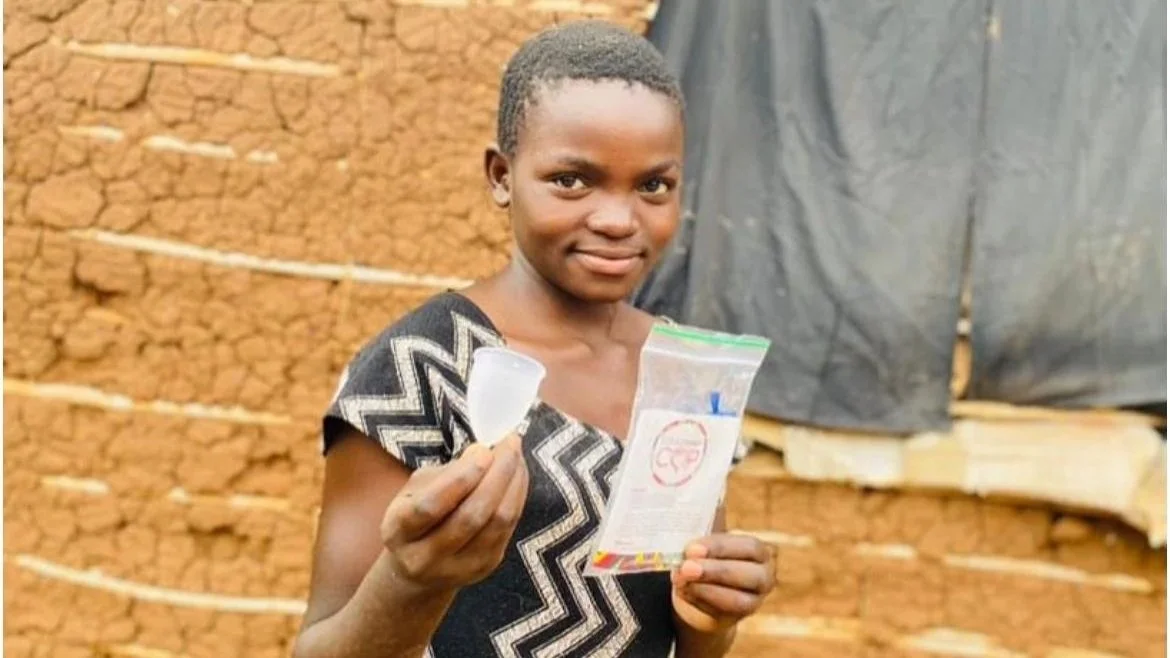
If the reusable pad was not effective, would the menstrual cup be better? How would access, acceptance, and safety be sustained?
Answering those questions meant needing to engage health officials, seek certification from the Uganda National Bureau of Standards, and clarify tax exemptions for menstrual products. And recognizing the importance of a pilot project to allow people to adapt at a natural pace rather than forcing it on them.
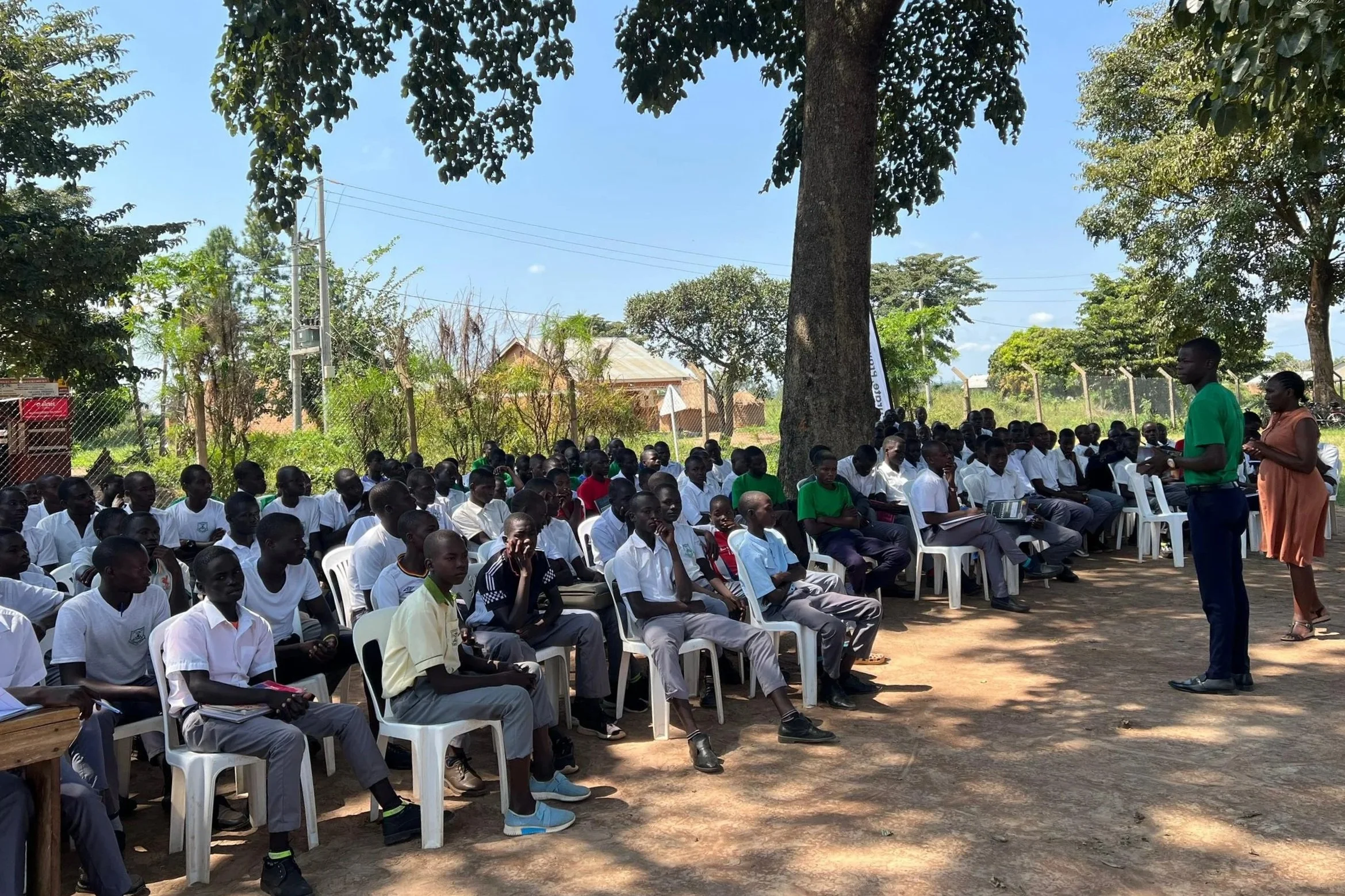
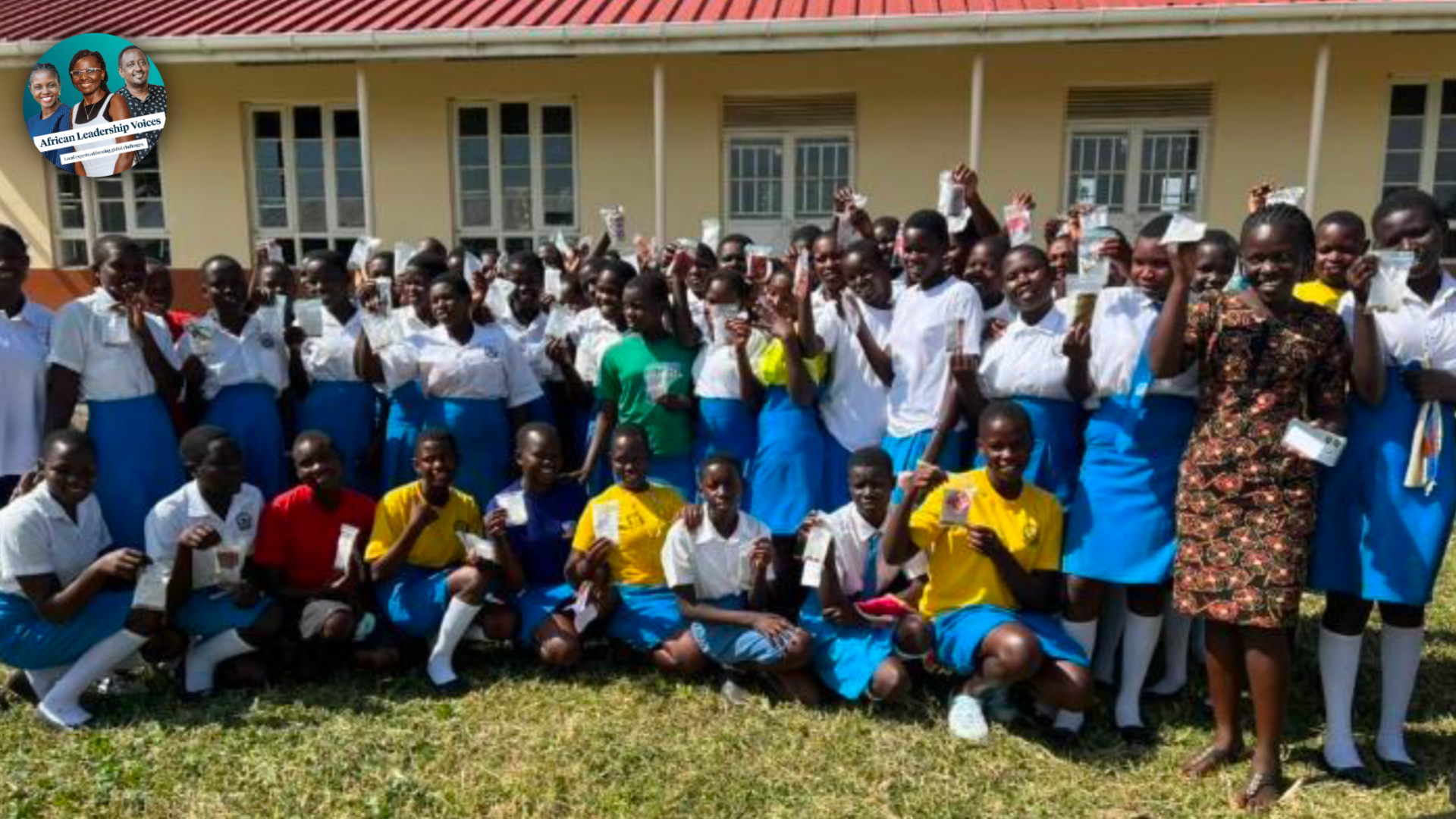
One year later, 6,500 women and girls from the pilot project have adopted the cup. Families can avoid recurring monthly costs, girls get to attend school consistently, and stigma is slowly being broken through education that includes boys, men, and parents. That’s something to celebrate! And the principles we learned can be applied to many types of similar challenges and situations.
When you think about challenges you’re trying to solve in your community, ask yourself:
Where in my leadership am I repeating “good deeds” that may not be sustainable?
What realities (cultural, economic, or environmental) am I overlooking when designing solutions?
How can I plan in a way that protects dignity over the long term?
When we choose to strategically address challenges, we are able to shape a better future for our children, our families, and our nation. Now 6,500 young women don’t have to make the choice between dignity today and a brighter future tomorrow.
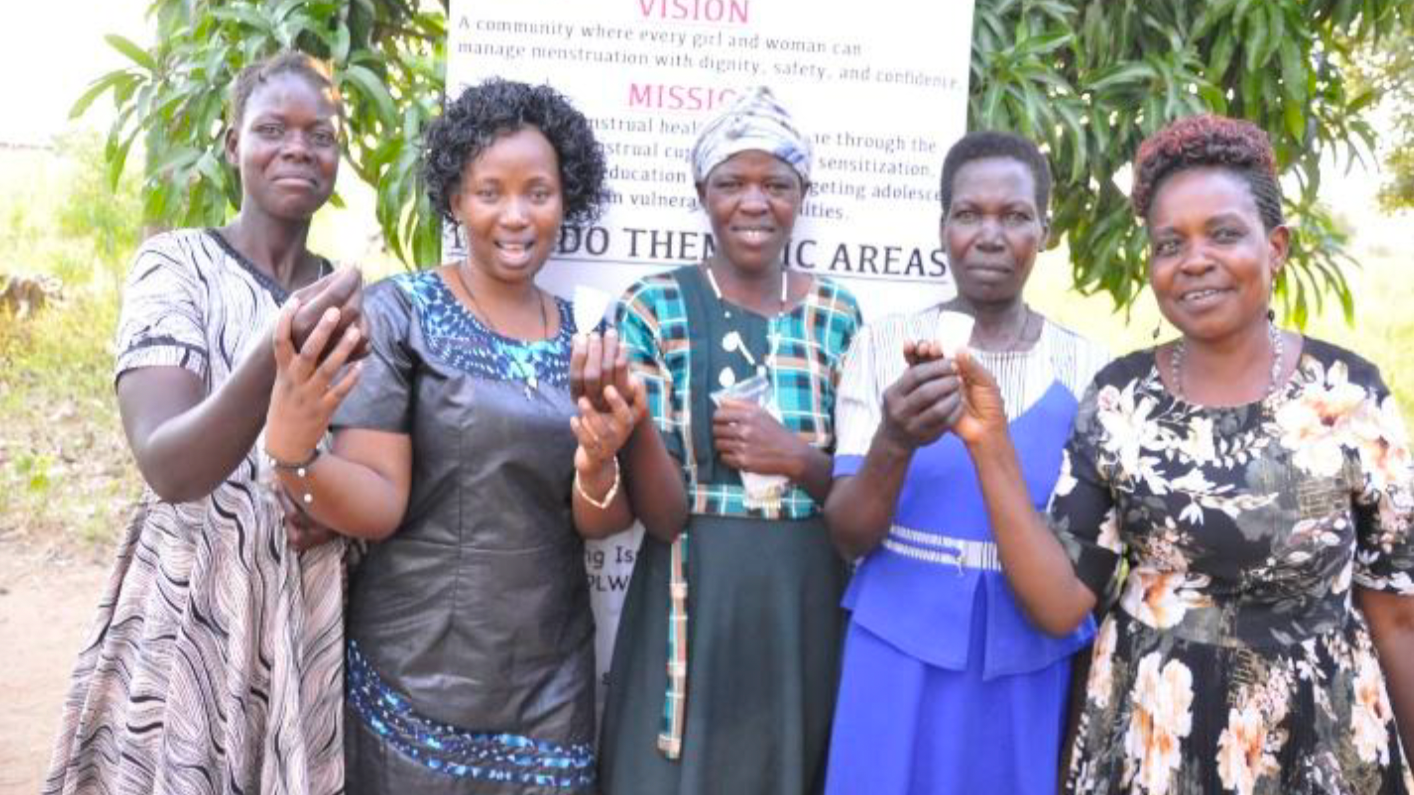

Flavia Nampala has a background in economics and community development, and currently works as a Microfinance Ragulator with the Gov. of Uganda Minsitry of Finance.
Flavia is also an Abundant Leadership Institute Alumna and Co-Facilitator of ALI’s Strategic Planning Course.
Learn more about Flavia’s project here: https://spc.rotary.org/project?guid=AFA7E2CA-4243-4250-A30A-BD6C09933A5E#medialinks
